In all
these cases, becoming aware of how we move and occupy space with our body in
relationship with this greater force field of the planet allows us to modulate
our habitual way of doing it. The most important tool in this task is our
sensory perception which sheds light into the areas of our experience that are
held in the dark of the unconscious but the tension of our holding
patterns.
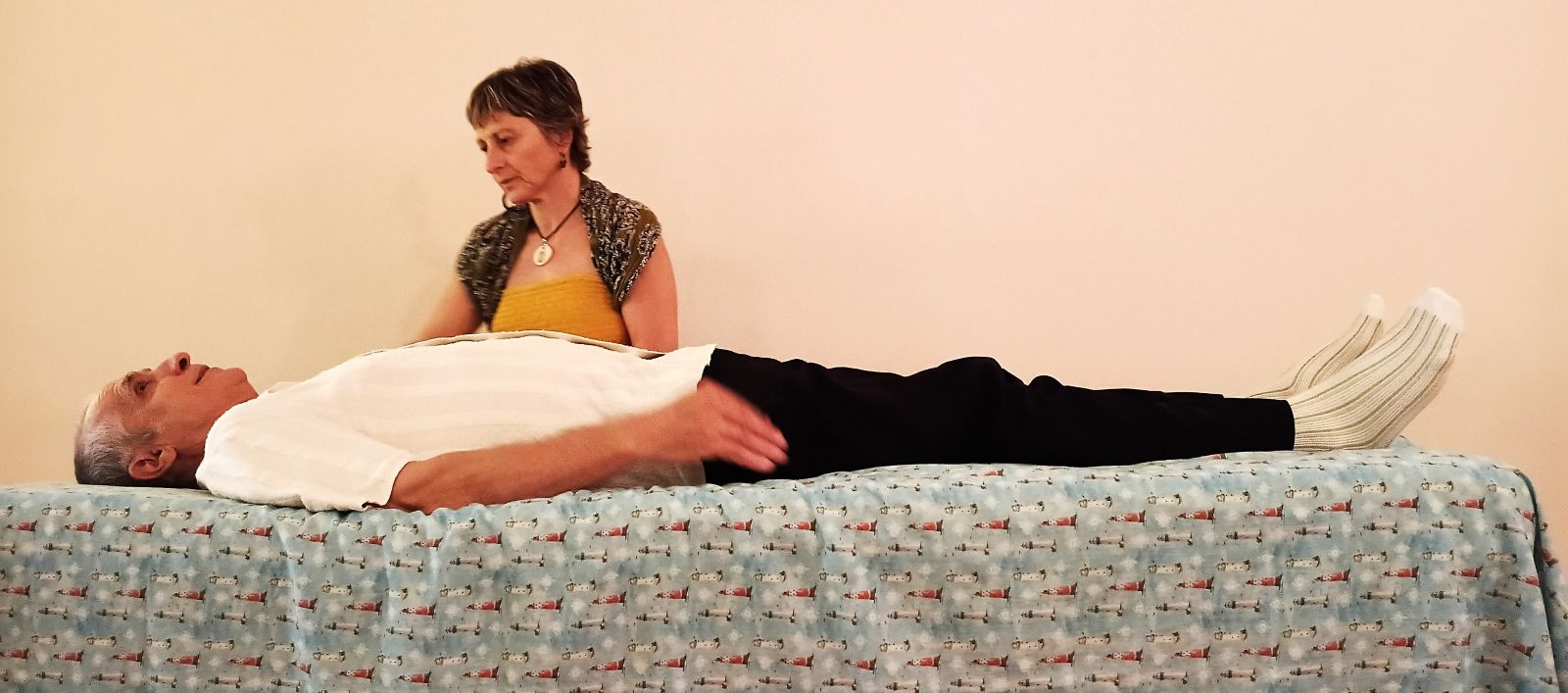
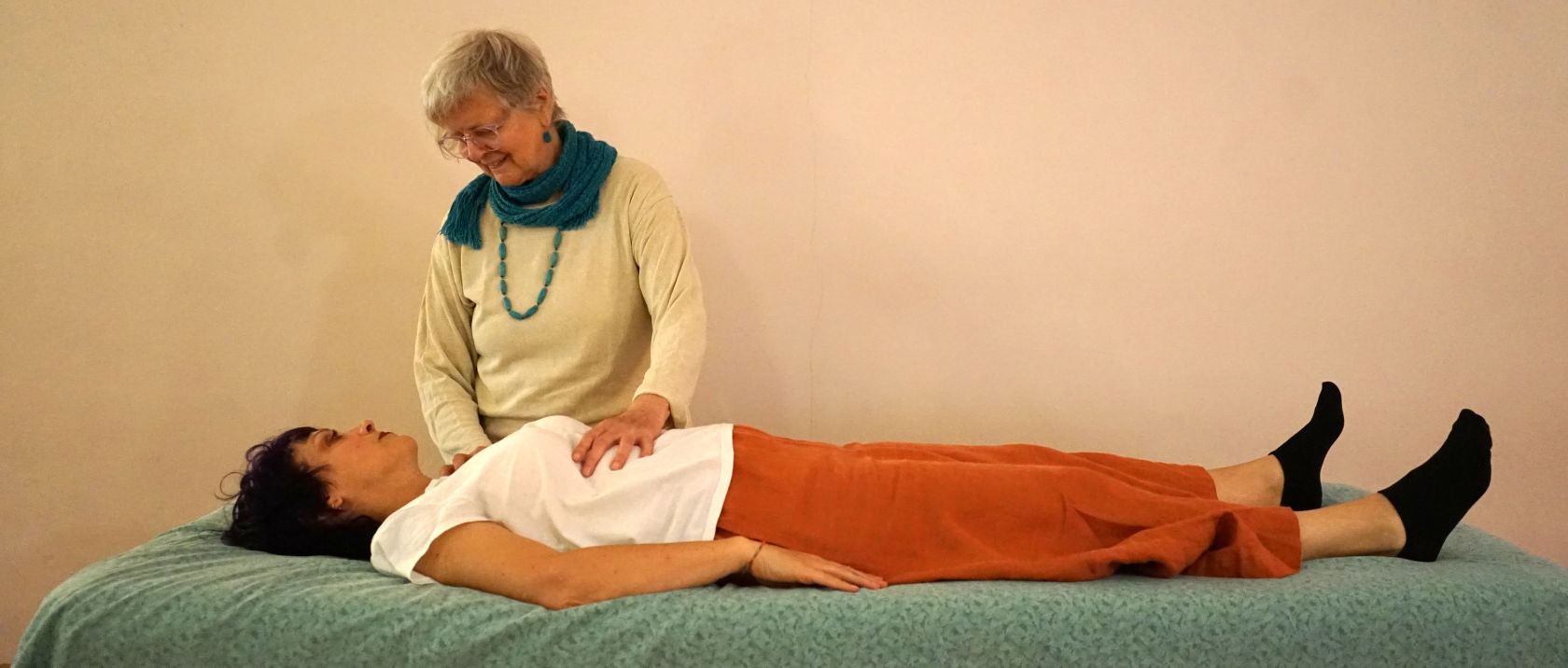
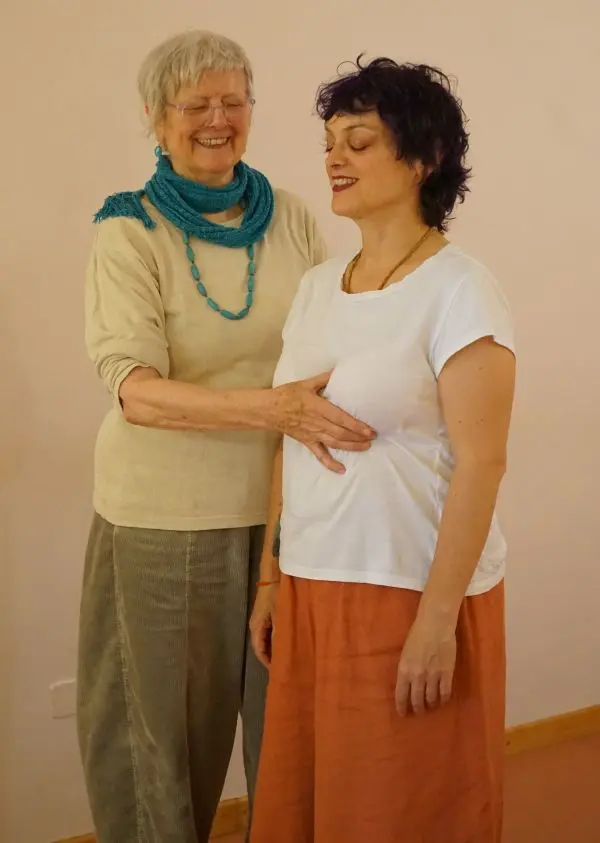
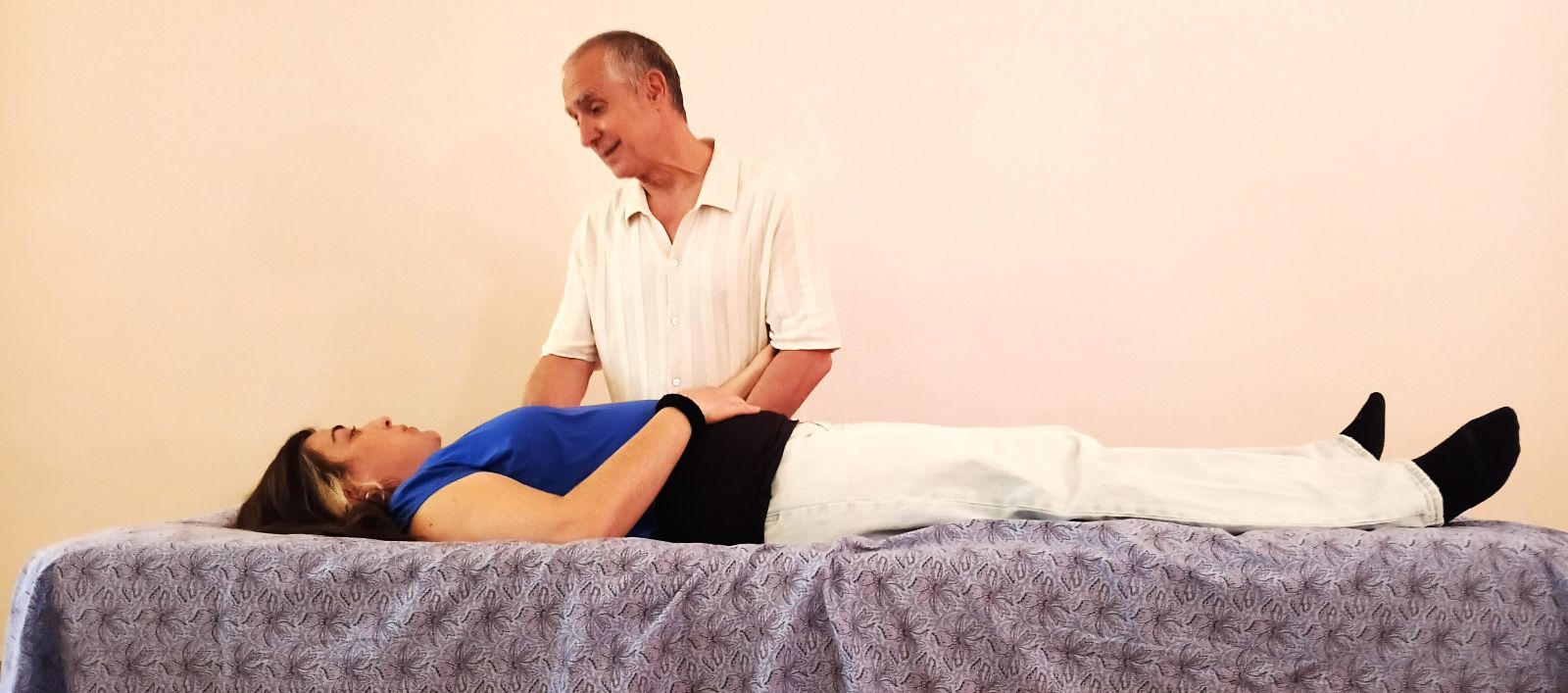
The workshops and private sessions in DFA Somatic Pattern Recognition offer a
safe space to access these areas, which we tend to hold outside our awareness
by means of habitual holding. Like this, a person can find ways to rescue the
part of their experience that are held captive by unconscious patterns,
possessed by autonomous complexes that steer their behavior in automatic forms
beyond their own will. One can find ways to move in accordance with the
gravitational force so that joints, muscles and connective tissues become free
of excessive involuntary holding that interferes with the physiological
functions of the body on all levels: breathing, digestion, circulation, the
flow of information in the nervous system, good working order in the
muscular-skeletal system, hormone balance, acid/base balance, etc.
For social beings who are deeply relational, like we human being are, an
essential part of taking care of our health is to
... manage one's emotions
Very early in life we discover that we can use the tension of our muscles
to interrupt the flow of sensations we do not like. These, then, accumulate
underneath the threshold of consciousness and the very tension increases their
intensity even more. When we can no longer hold them back, the break out in a
measure that is incommensurate in relationship with the event that set them
off. Sensory perception is an essential factor in being able to orient the flow
of emotions instead of being carried away by their intensity.
... communicate efficiently
Literally, the habitual holding of our muscles holds us away from the
ground and it distances us from the person we are speaking with. This way of
occupying space communicates fear in an attitude of menace of submission, which
thwarts the wish and the possibilities of communication and relationship
inherent in our nature. Becoming aware of the shapes in which we occupy space
and we move in relationship with our environment allows us to adopt
postures that facilitate communication and a good understanding.
...
create good relationships of cooperation and mutual help
Communicating, relating and helping each other is deeply rooted in our nature.
For us human beings it is indispensable to learn how to use our abilities for
sensory perception in order to cultivate relationships of communication and
cooperation instead of the individual and collective violence that dominates
the lives of so many people in the world.
...
resolve posttraumatic stress due to personal or multigenerational trauma
The mechanisms that
help us survive traumatic experiences may keep body and psyche stuck in the
moment just before the impact of the worst. If they are not processed
adequately, life may organize around the effort to avoid the impact of what
happened and the patterns resulting from that effort may be transmitted from
generation to generation, leading to repetition and reiteration of traumatizing
circumstances.
.... orient when we want to change the course of our lives
The starting point for change has to be the place where one is. Only from there
can we explore the possible perspectives within our reach.